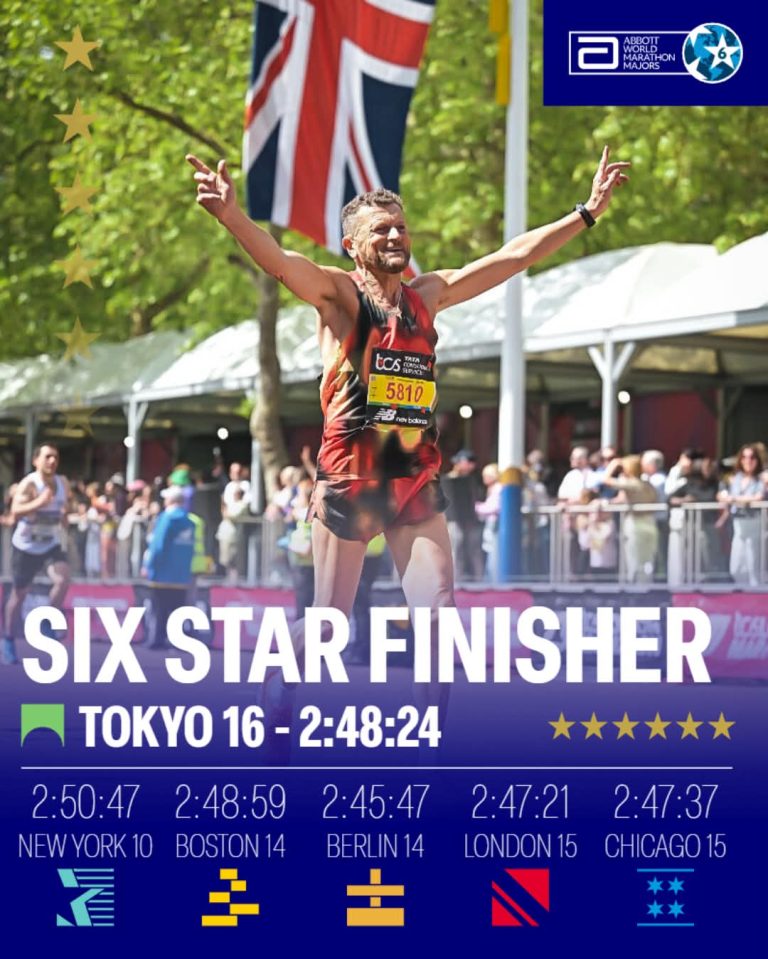
Liam Cotter: the Age 60-65 London Marathon Winner’s VILMS Training Program
Every so often someone in this community sends over an approach that’s so stripped-down and so obviously earned that it’s worth passing along exactly as written. This is one of those times. Liam Cotter is a Cork, Ireland native who’s been racing marathons since a chance encounter with the 2007 Cork Marathon — stuck in … Continue reading "Liam Cotter: the Age 60-65 London Marathon Winner’s VILMS Training Program"
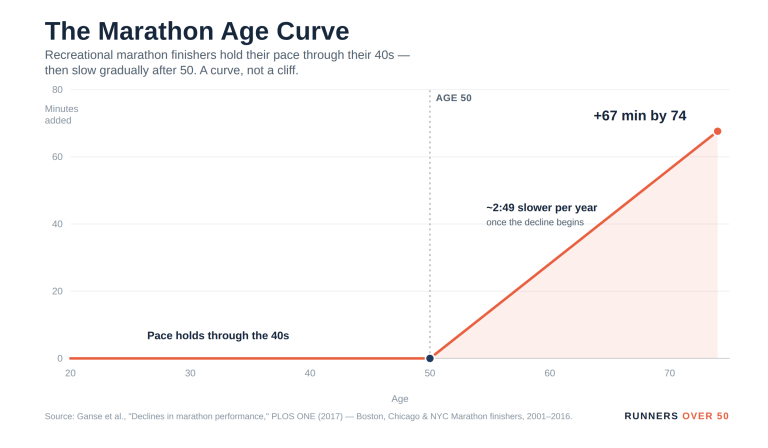
Marathon Training for Runners Over 50
A clinical look at what actually changes after 50 — and how to train around it. What’s declining, what’s compensating, and what’s still entirely within my control. The honest clinical answer is that marathon training after 50 is not “the same plan, slower.” It’s a different physiological problem, and the research on masters endurance athletes … Continue reading "Marathon Training for Runners Over 50"

Long Runs for Runners Over 50
Ask any masters runner which workout they respect most, and the answer is almost always the same: the long run. Not the speed work, not the marathon itself — the long run. It’s the Saturday morning when the miles stretch out ahead of you and there’s nowhere to hide. Here’s the good news: the long … Continue reading "Long Runs for Runners Over 50"
GLP-1 Drugs and Running: What the Evidence Actually Shows
A review of the clinical literature on combining GLP-1 receptor agonists (semaglutide, liraglutide, tirzepatide, and related agents) with running or endurance training. The honest starting point There is no large clinical trial of GLP-1 receptor agonists conducted specifically in runners. Almost everything known about this combination comes from obesity trials that included a generic exercise … Continue reading "GLP-1 Drugs and Running: What the Evidence Actually Shows"
Zone 2 Training for Runners Over 50: The Complete Guide to the Longevity Sweet Spot
Short answer: Zone 2 training is steady, conversational-pace running at roughly 60–70% of your maximum heart rate — the intensity where your body burns fat efficiently and builds new mitochondria. For runners over 50, it’s arguably the single most valuable type of training you can do, because it improves cardiovascular health, preserves muscle, and slows … Continue reading "Zone 2 Training for Runners Over 50: The Complete Guide to the Longevity Sweet Spot"
How Much Should You Run? What the Science Says About the Ideal Amount (Especially After 50)
Short answer: For longevity, you should run about 1 to 2.5 hours per week, spread across 2 to 3 runs at an easy or moderate pace. Research on more than 55,000 adults found that even less than 50 minutes of running per week significantly lowers your risk of early death — and running much more … Continue reading "How Much Should You Run? What the Science Says About the Ideal Amount (Especially After 50)"
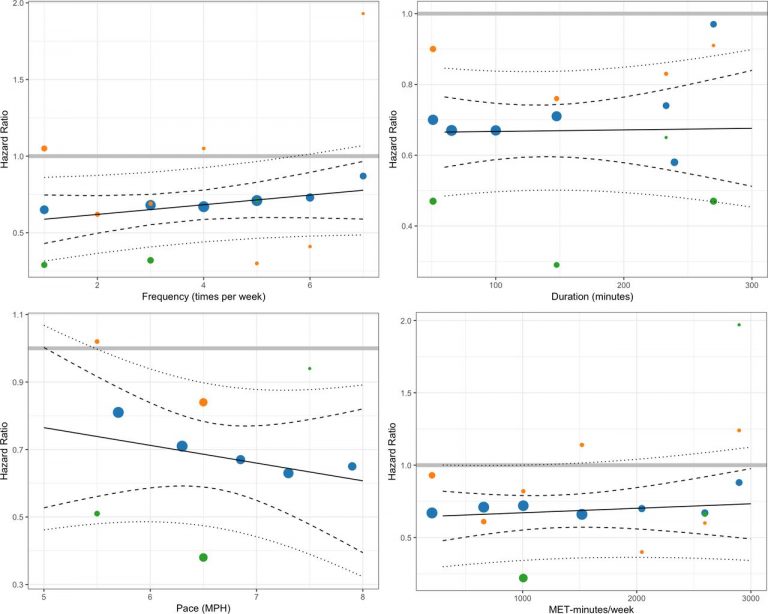
What Dose of Running is Best for Lifespan, and is There Really a U-Shaped Curve?
There are two claims about running and longevity that you’ve probably heard, and they seem to contradict each other. The first: running dramatically lowers your risk of dying, and even tiny amounts help. The second: too much running is bad for you — past a certain point, hard-charging runners supposedly die at the same rate … Continue reading "What Dose of Running is Best for Lifespan, and is There Really a U-Shaped Curve?"
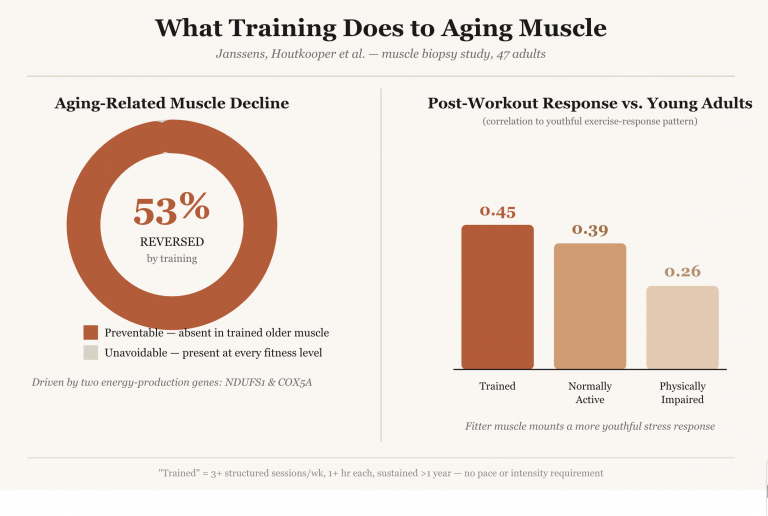
Muscle Aging is Reduced in Regular Exercisers Over 50
A new muscle biopsy study just drew a hard line between the aging you can’t stop and the aging you’re choosing. Researchers at Amsterdam UMC and Maastricht University put 47 people through the full omics workup — transcriptomics, metabolomics, lipidomics — on skeletal muscle biopsies taken before and after a standardized 1-hour cycling bout at … Continue reading "Muscle Aging is Reduced in Regular Exercisers Over 50"
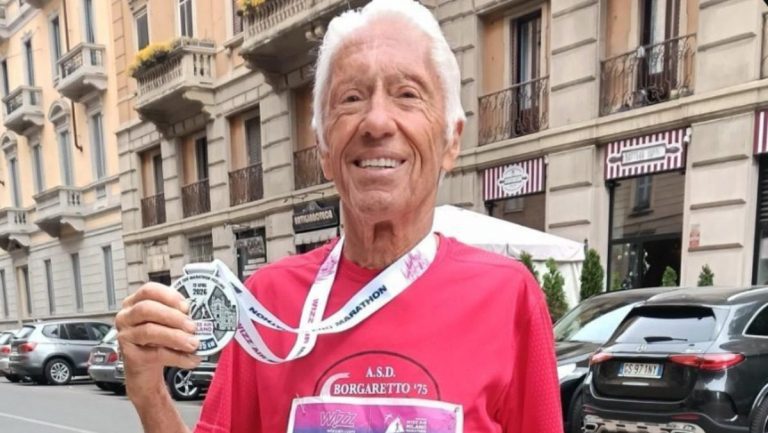
Does Running Add Years to Your Life? What the Research Actually Shows
The short answer is yes. The longer answer is more interesting — and more nuanced than most running headlines let on. Over the past two decades, a substantial body of research has examined the relationship between running and mortality. The findings are remarkably consistent on the headline numbers. But dig into the details and you’ll … Continue reading "Does Running Add Years to Your Life? What the Research Actually Shows"
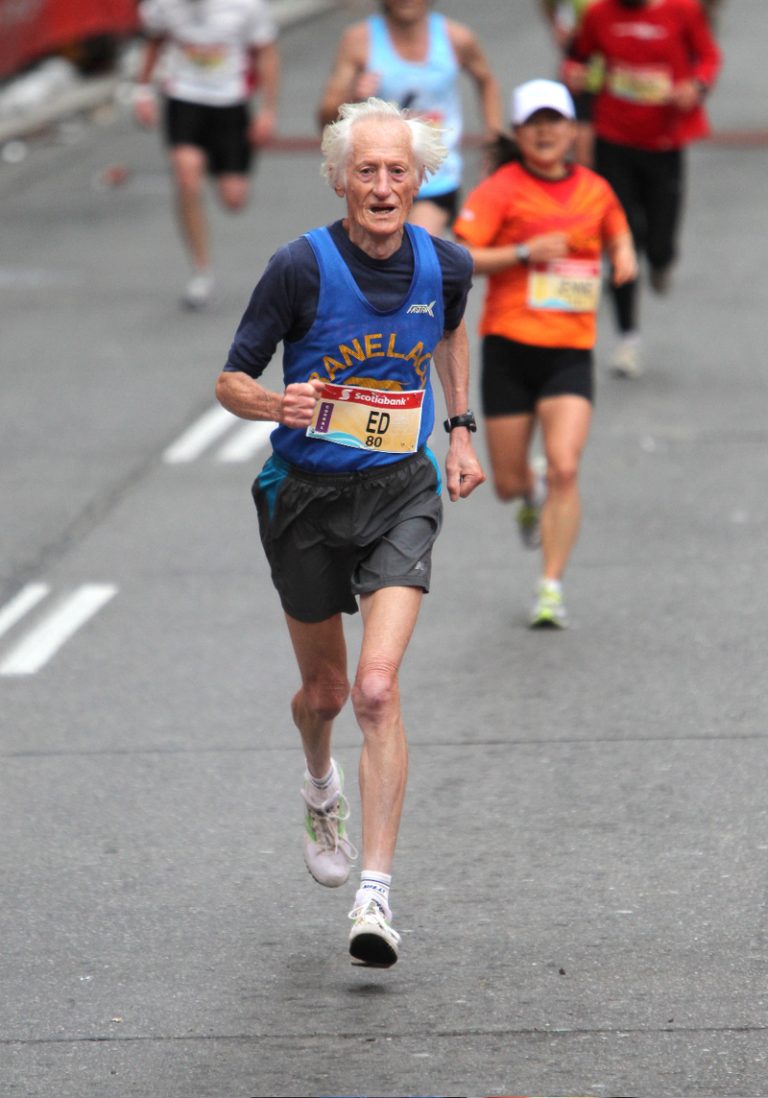
Introducing the Runners Over 50 Masters Running World Records Page
We just launched a living reference page tracking road running world records for masters runners 50 and over — every age group, both men and women, across 5K, 10K, half marathon, and marathon.
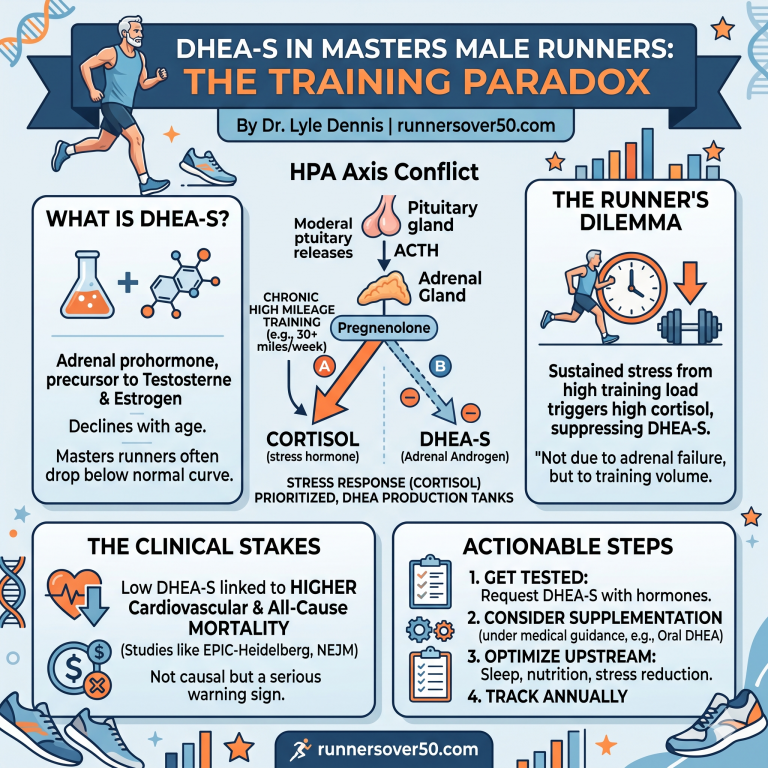
DHEA-S in Masters Male Runners: Why Endurance Training Tanks It
If you’re a male runner over 50 and you’ve never checked your DHEA-S, there’s a good chance it’s low. Not because something is wrong with you. Not because your adrenal glands are failing. But because the running you’re doing for your health may be one of the primary reasons it’s suppressed. This surprises most people. … Continue reading "DHEA-S in Masters Male Runners: Why Endurance Training Tanks It"
Running in the Heat After 50: Why Your Body Handles It Differently (And How to Adjust)
It’s summer. You’re running slower than usual, sweating less than you’d expect, and finishing workouts that feel harder than the numbers justify. You’re probably blaming fitness. You might want to blame biology instead — and then do something about it. Here’s what the research actually shows about heat and the over-50 runner. Your sweat response … Continue reading "Running in the Heat After 50: Why Your Body Handles It Differently (And How to Adjust)"